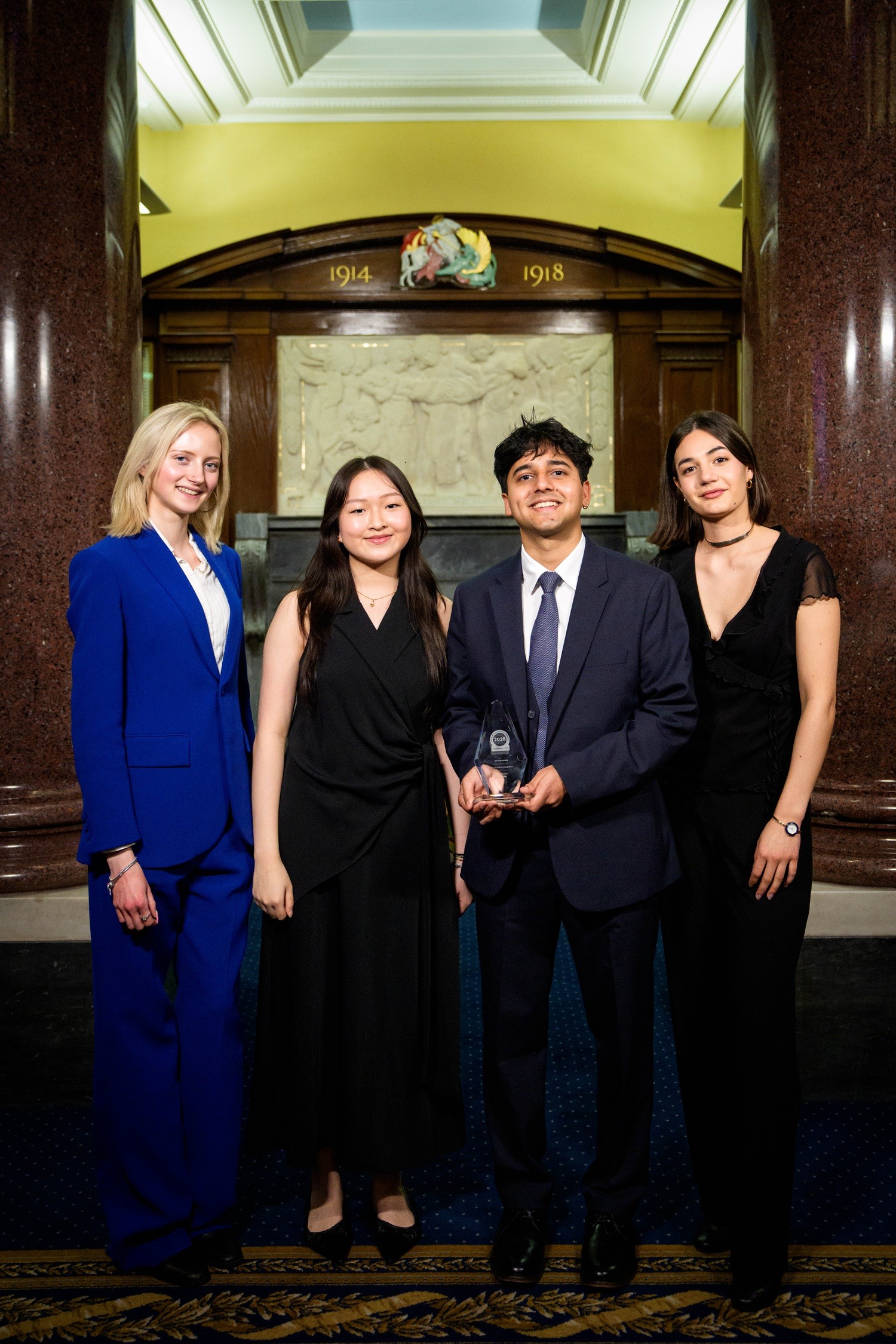
How we won ‘Best society for engagement’ at LawCareers.Net’s 2026 Student Law Society Awards
updated on 20 April 2026
Reading time: three minutes
At UCL Law Society, engagement is something we design for, not measure after the fact. Our approach has been to build a structure where students consistently choose to show up, rather than relying on isolated flagship events.
Building foundations and consistency
Engagement begins at the very start of the year. Freshers’ Fortnight is treated as the foundation of the society, with two weeks of structured, high-quality events that give new students repeated, low-pressure opportunities to meet others and find their place. This year, we also made a deliberate decision to reserve early careers-facing events for second and third years. Introducing first years to these spaces too early has, in the past, created unnecessary pressure and disengagement. By prioritising social integration first, we saw a clear improvement in both student experience and external partner engagement.
From there, the focus is on consistency. Careers programming, academic competitions, welfare initiatives, socials and sports are all treated as core parts of the society and held to the same standard. Events are carefully planned, professionally delivered and designed with the student experience in mind. Over time, this builds trust. Members engage not just with individual events, but with the society as a whole.
Balancing scale with meaningful interaction
Scale matters, but how students engage at that scale matters more. Alongside large flagship events, we place equal emphasis on smaller, high-quality spaces such as affiliate mixers in the UCL Japanese Gardens and international dinners and potlucks, typically attended by around 40 students. These settings allow for more meaningful interaction and ensure that engagement is not limited to the most confident voices in the room.
Sustaining engagement through communications
Engagement is also sustained beyond in-person events through a deliberate and structured communications strategy. We prioritise consistency and clarity over volume. Weekly WhatsApp updates ensure members are aware of opportunities in advance, while our social media platforms operate as active, two-way channels rather than passive noticeboards.
Instagram plays a central role, using polls, question boxes and interactive content to involve members directly in shaping what we deliver. This creates a feedback loop where engagement informs programming, and programming in turn drives further engagement. Short-form content, including interviews with lawyers and chambers, makes careers insight accessible even for those unable to attend in person.
Our publications reinforce this further. The biweekly Legal Awareness Newsletter, now reaching more than 900 subscribers, provides accessible analysis of current legal and commercial developments, while Silk & Brief offers a platform for more in-depth student writing across legal, commercial and cultural topics. Across both, contributors are publicly recognised, fostering a culture where participation is visible and valued.
A deliberate, community-led approach
Listening to our members underpins everything we do. Year representatives gather regular feedback through weekly outreach and anonymous forms, which is then fed into committee decision-making and faculty discussions. This has led directly to new initiatives, including expanded careers programming and exam-period study groups.
As a result, engagement is sustained rather than sporadic. Students return, bring others with them and participate across multiple strands of the society. Winning this award reflects not a single initiative, but a deliberate and consistent approach to building a community that works.
Luvya Pawaris the president of UCL Law Society in 2025/2026.